About xanthan gum
Short Description:
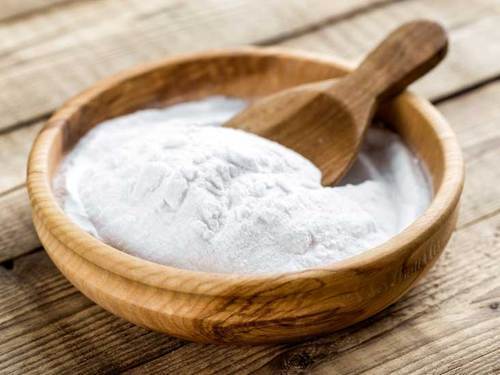
Xanthan gum is a polysaccharide used as a thickening, stabilizing, and emulsifying agent in food, cosmetics, and industrial products. It is produced by the fermentation of glucose or sucrose by the bacterium Xanthomonas campestris.
Specification:
-
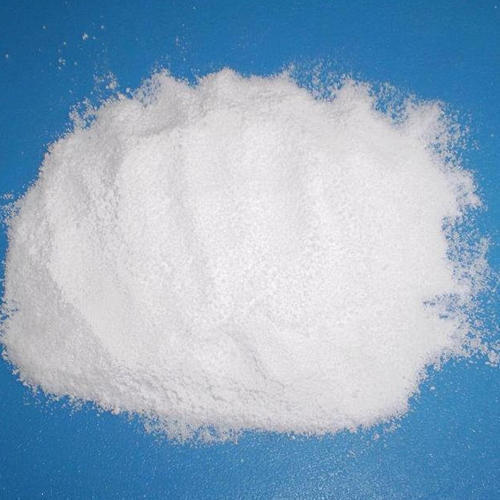
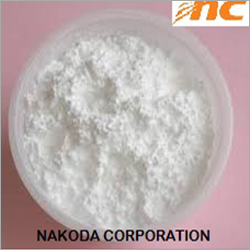
Appearance: White to off-white, free-flowing powder
-
Solubility: Soluble in hot or cold water
-
pH (1% solution): 6.0 8.0
-
Viscosity (1% solution at 25C): 1200 1800 cP
-
Moisture Content: 15%
-
Ash Content: 16%
-
Particle Size: 80 mesh (typically)
-
Microbial Limits:
-
Total Plate Count: < 5000 CFU/g
-
Yeast & Mold: < 300 CFU/g
-
E. coli / Salmonella: Absent
Common Uses:
-
Food: Salad dressings, sauces, dairy products
-
Cosmetics: Lotions, creams
-
Industrial: Oil drilling, adhesives, detergents
Reliable Industrial-Grade QualityOur xanthan gum is manufactured to stringent industrial standards, ensuring a consistent and effective product suitable for large-scale applications. Each batch undergoes rigorous quality control to meet the needs of demanding manufacturing environments.
Versatile Applications Across IndustriesThanks to its unique chemical properties, xanthan gum is utilized in several industrial sectors. Whether it's stabilizing food items or enhancing oil recovery, its water solubility and thickening abilities provide remarkable versatility for industrial processes.
FAQ's of xanthan gum:
Q: How is industrial-grade xanthan gum used in various industries?
A: Industrial-grade xanthan gum is primarily utilized as a thickener, stabilizer, and emulsifier in sectors such as food processing, textiles, and oil drilling. Its high viscosity when dissolved in water makes it suitable for enhancing product texture, improving flow, and maintaining suspension of ingredients.
Q: What is the recommended storage condition for xanthan gum powder?
A: Xanthan gum powder should be stored at room temperature in a dry, well-ventilated area. Keeping it sealed and away from moisture prolongs its shelf life and preserves its functional properties.
Q: When should xanthan gum be added during industrial processing?
A: Xanthan gum is typically incorporated during the mixing or formulation stage of the manufacturing process. This ensures it disperses evenly and develops the desired consistency and stabilizing effect in the end product.
Q: Where can you source reliable industrial-grade xanthan gum in China?
A: You can obtain industrial-grade xanthan gum from several reputable suppliers and traders based in China, many of whom offer consistent product quality and tailored delivery options to meet varied industrial requirements.
Q: What is the process used to manufacture industrial xanthan gum?
A: Industrial xanthan gum is produced through a controlled fermentation process using Xanthomonas campestris bacteria. The resulting polymer is then purified, dried, and milled into a fine powder suitable for commercial use.
Q: Why is xanthan gum valued for its water solubility in industrial applications?
A: Xanthan gum's ability to dissolve readily in water enables it to quickly impart viscosity and stability to solutions, making it ideal for applications that demand efficient mixing and uniform distribution in both aqueous and non-aqueous systems.
Q: What benefits does xanthan gum offer as compared to other thickeners?
A: Xanthan gum provides superior thickening, stabilizing, and suspending properties, even at low concentrations. Its performance is stable across a broad pH range and varying temperatures, making it a reliable choice for industrial applications.
 Send Inquiry



 Send Inquiry


 Send Inquiry
 English
 Spanish
 French
 German
 Italian
 Chinese (Simplified)
 Japanese
 Korean
 Arabic
 Portuguese