ZINC SULPHATE ( HEPTA /MONO) About
Zinc sulfate is an inorganic compound and dietary supplement. As a supplement it is used to treat zinc deficiency and to prevent the condition in those at high risk. Side effects of excess supplementation may include abdominal pain, vomiting, headache, and tiredness
Specification
|
Packaging Size
|
5-25 Kg
|
|
Packaging Type
|
PP Bag
|
|
Physical State
|
Crystals
|
|
Application
|
Agriculture,Food,Pharma Industry,etc
|
|
Molecular Formula
|
ZnSO4
|
|
Density
|
3.54 g/cm3 (anhydrous)
|
|
Melting Point
|
680 Deg C
|
|
Boiling Point
|
740 Deg C
|
|
Color
|
White
|
|
Type
|
Hepta/Mono
|
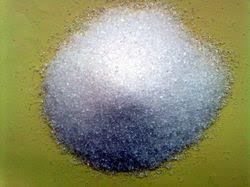
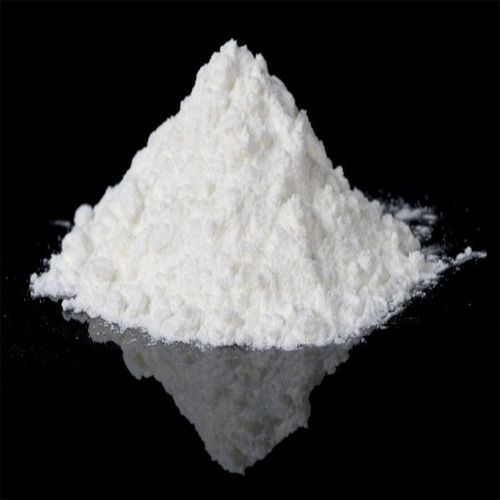
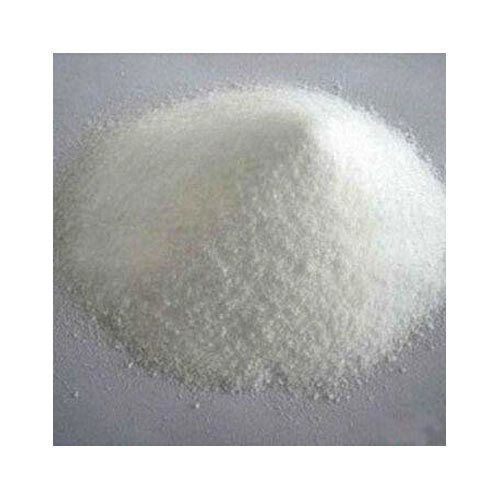
Key Features and CompositionZinc Sulphate is offered in both heptahydrate and monohydrate forms, characterized by transparent to white crystalline appearance and high water solubility. It demonstrates robust purity and stability, passing 100 mesh size and containing minimal heavy metals. Its molecular formula and weight vary by hydration state, matching international quality standards and suitable for a broad range of applications.
Applications Across IndustriesRenowned for its versatility, Zinc Sulphate is integral to agriculture as a micronutrient supplement for plants and animals, included in fertilizers, feed additives, and chemical processes. It is classified by agricultural, industrial, feed, and pharmaceutical grades, making it suitable for diverse usage while complying with IS: 8249:1996 and other specifications.
Safe Storage and HandlingZinc Sulphate should be stored in a cool, dry, and well-ventilated place, away from moisture. It remains stable and free-flowing under standard conditions and is non-toxic when handled according to standard safety protocols. However, ingestion in large quantities may be harmful, thus proper handling and storage are essential for safety.
FAQ's of ZINC SULPHATE ( HEPTA /MONO):
Q: How should Zinc Sulphate (Hepta/Mono) be stored to maintain its stability?
A: Zinc Sulphate should be stored in a cool, dry, and well-ventilated area, away from moisture. When kept in its original HDPE packaging, it retains a minimum shelf life of two years.
Q: What are the main industrial and agricultural uses of Zinc Sulphate?
A: It is primarily used as a micronutrient for plants and animals, serving as a supplement in fertilizers and animal feed. It is also utilized in chemical manufacturing and various industrial processes.
Q: Where is Zinc Sulphate commonly applied as a supplement and why?
A: Zinc Sulphate is commonly used in agriculture and animal husbandry to correct zinc deficiencies in soil and feed, which promotes healthier plant growth and animal development.
Q: When does Zinc Sulphate pose a risk to health, and how can it be mitigated?
A: Zinc Sulphate is non-toxic under normal handling, but ingesting large amounts can be harmful. Risk is mitigated by following standard safety practices, including avoiding ingestion and using protective gear during handling.
Q: What is the process for applying Zinc Sulphate as a fertilizer supplement?
A: Zinc Sulphate is dissolved in water due to its high solubility and then applied to soil or sprayed onto plants to address zinc deficiency, following recommended dosage guidelines.
Q: What benefits does Zinc Sulphate provide in agricultural and industrial settings?
A: In agriculture, it enhances crop yield and animal health by correcting zinc deficiencies. Industrially, it is valued for its high purity, stability, and effectiveness in manufacturing and chemical syntheses.
Q: How does the physical appearance indicate the quality of Zinc Sulphate?
A: A high-quality Zinc Sulphate presents as a transparent or white crystalline powder that is free-flowing, indicating proper manufacturing, minimal impurities, and compliance with key specifications.