About Titanium Di oxide
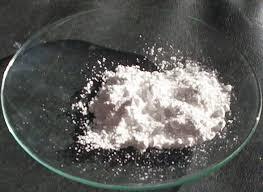
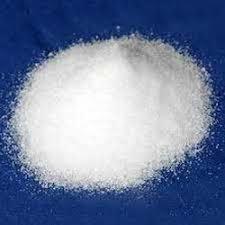
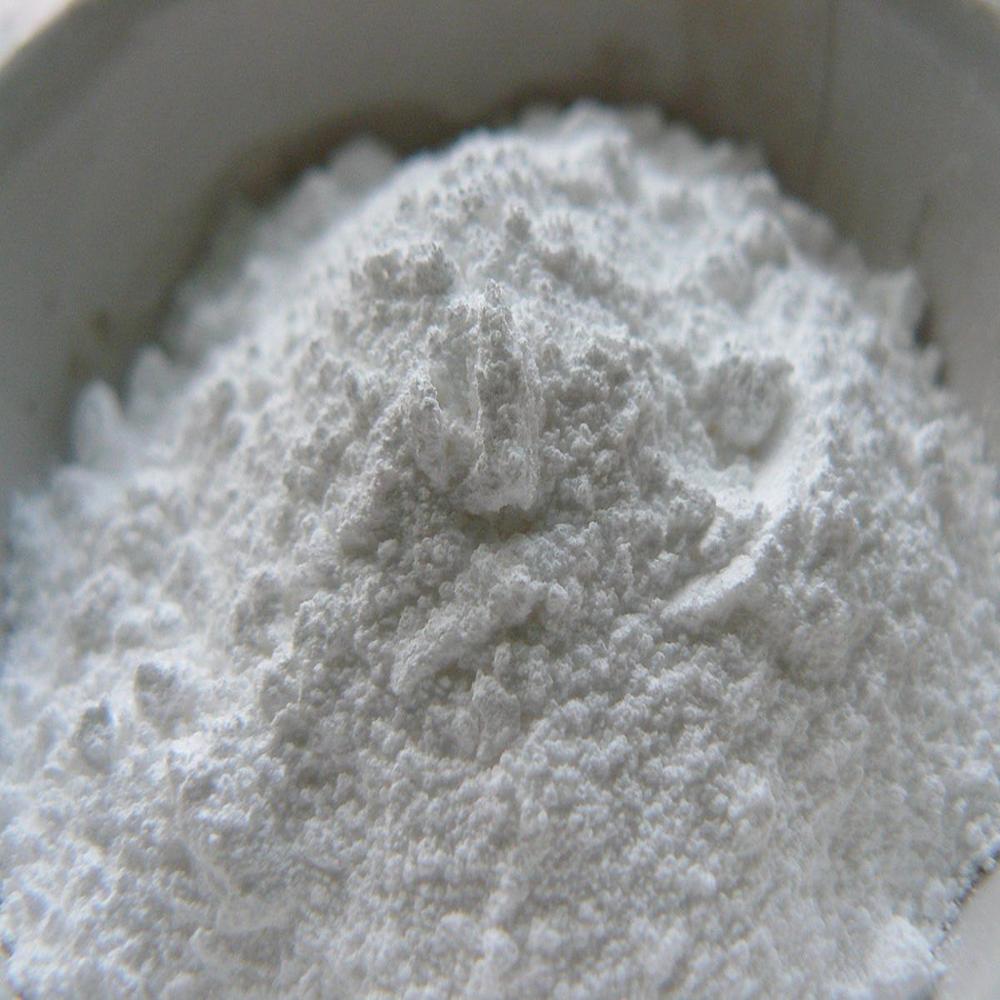
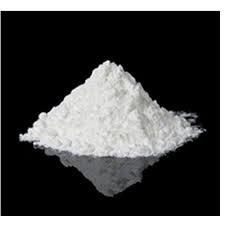
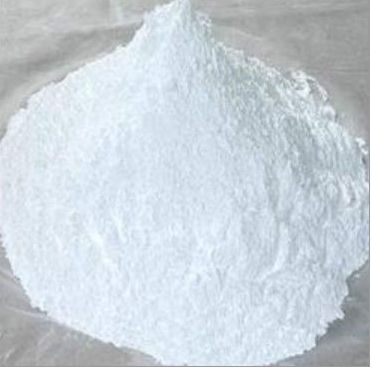
Titanium dioxide is a white inorganic compound,
It is depended on for its non-toxic, non-reactive and luminous properties, which safely heighten the whiteness and brightness of many materials.
Superior Tinting and OpacityTitanium Dioxide excels as a pigment due to its exceptional whiteness (over 98%) and tinting strength greater than 100%, surpassing most conventional pigments. Its high refractive index ensures brilliant color vibrancy and optimal light scattering, making it the preferred choice for industries demanding maximum opacity in their finished products.
Versatile Industrial ApplicationsThis fine TiO2 powder is formulated for a diverse range of applications-paints, plastics, paper, inks, rubber, ceramics, and cosmetics. Its robust particle size (325 mesh, D50: 0.3-0.4 m) delivers uniform dispersion and smooth finish. Surface treatment options optimize performance for water or solvent-based systems. The product's stability and inert nature ensure reliable performance across different manufacturing processes.
Quality and Safety AssuredOur Titanium Dioxide is sourced from high-quality raw materials (ilmenite, rutile) and undergoes rigorous testing for purity (minimum 99%), low moisture, and minimal heavy metal content-lead (5 ppm), arsenic (3 ppm). With a shelf life of 2 years, it is supplied as a stable, white, odorless powder, ready to meet international quality and safety standards for industrial and cosmetic use.
FAQ's of Titanium Di oxide:
Q: How is Titanium Dioxide typically used in industrial and consumer applications?
A: Titanium Dioxide is widely used as a white pigment in paints, coatings, plastics, paper, ink, rubber, ceramics, and cosmetics due to its superior opacity, brightness, and tinting strength. It ensures vibrant color and coverage and, when used in cosmetics, provides a safe and effective whitening agent.
Q: What are the benefits of using rutile or anatase grade Titanium Dioxide?
A: Rutile and anatase are the two main crystalline forms of TiO2, with rutile offering higher refractive index (2.70) and specific gravity, leading to greater opacity and durability in paints and coatings. Anatase, while slightly less opaque, is valued in applications requiring maximum brightness and dispersibility, such as paper and cosmetics.
Q: When should surface treatment options like alumina or silica be considered?
A: Surface treatments such as alumina or silica are recommended when enhanced dispersion, weather resistance, or improved compatibility with binder systems are needed. These treatments help TiO2 perform optimally in water-based or solvent-based formulations, extending product life and performance in harsh environments.
Q: Where should Titanium Dioxide be stored to maintain its quality and effectiveness?
A: Titanium Dioxide should be stored in a cool, dry place, away from direct sunlight and moisture. Proper storage helps preserve its whiteness, flowability, and purity, ensuring that it maintains its pigment properties and is safe to use throughout its 2-year shelf life.
Q: What is the process for incorporating Titanium Dioxide into product formulations?
A: TiO2 is typically added to formulations during the mixing stage, ensuring uniform dispersion by using appropriate shear or mixing equipment. For specific applications, surface-treated grades may be chosen to improve compatibility and stability. Accurate weighing and gradual blending prevent clumping and maximize opacity.
Q: How does using Titanium Dioxide benefit finished products?
A: Using Titanium Dioxide enhances the brightness, opacity, and coverage of finished products. This enables manufacturers to reduce the amount of expensive pigment required for optimal coverage, improve product aesthetics, and deliver consistent quality in paints, plastics, and other materials.
 Send Inquiry



 Send Inquiry


 Send Inquiry
 English
 Spanish
 French
 German
 Italian
 Chinese (Simplified)
 Japanese
 Korean
 Arabic
 Portuguese