About Micro Crystlline &cellulose Powder
Micro Crystlline &cellulose Powder
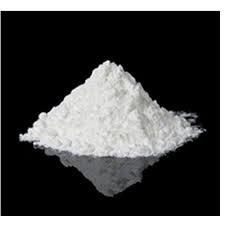
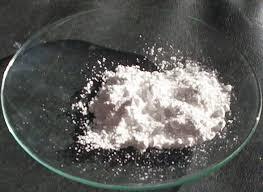
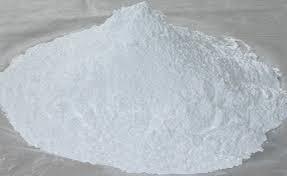
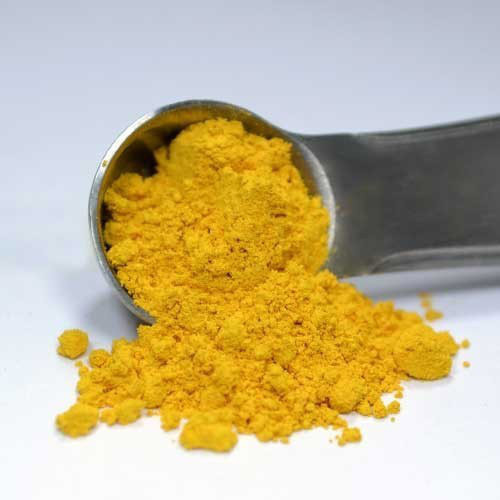
Microcrystalline cellulose (MCC) is a term for refined wood pulp and is used as a texturizer, an anti-caking agent, a fat substitute, an emulsifier, an extender, and a bulking agent in food production. The most common form is used in vitamin supplements or tablets.
Versatile Pharmaceutical ExcipientMicro Crystalline Cellulose Powder is trusted in the pharmaceutical, food, and cosmetic industries for its multifunctional properties. Its consistent particle size (passing 60-200 mesh) ensures uniformity in tablet formation, making it the go-to binder, disintegrant, and stabilizer across various formulations.
Stringent Quality and ComplianceOur MCC powder meets rigorous standards of identity, purity, and safety, compliant with Ph. Eur., USP, and JPE requirements. With a purity exceeding 99%, absence of starch, and very low heavy metal content, it verifies the highest quality for critical applications. Packaged securely in HDPE-lined bags, it retains its integrity throughout storage and transport.
Safe, Non-GMO, and Allergen-FreeProduced from premium cellulose sourced from wood pulp, this MCC is free from all major allergens and is non-GMO, making it suitable for a wide range of dietary and sensitive applications. The product is also low in bacterial endotoxins, ensuring safety for end consumers.
FAQ's of Micro Crystlline &cellulose Powder:
Q: How is Micro Crystalline Cellulose (MCC) powder commonly used in various industries?
A: MCC powder serves as a binder, stabilizer, and disintegrant in tablet formulations for pharmaceuticals, a texturizer and anti-caking agent in food, as well as a stabilizer in cosmetics. Its inert and non-reactive nature makes it ideal for a variety of applications.
Q: What benefits does MCC powder offer compared to other excipients?
A: MCC powder excels in flowability, compressibility, and stability, ensuring consistent product quality. Its high purity and uniformity help optimize formulation processes in pharmaceuticals, reduce tablet defects, and extend product shelf life.
Q: When should MCC powder be used during the manufacturing process?
A: MCC should typically be blended during the mixing stage alongside other excipients. It is especially useful when uniform particle distribution, good flow properties, and robust binding or disintegrant capacity are desired.
Q: Where should Micro Crystalline Cellulose be stored for optimal shelf life?
A: MCC powder should be stored in tightly closed containers in a cool, dry place, away from direct sunlight and sources of moisture, to maintain its five-year shelf life and prevent quality degradation.
Q: What quality standards does this MCC powder comply with?
A: Our MCC powder complies with Ph. Eur., USP, and JPE standards, ensuring high levels of purity, absence of starch, low heavy metal content, and safe levels of bacterial endotoxins (<0.25 EU/mg).
Q: Is this MCC powder suitable for individuals with allergies or dietary restrictions?
A: Yes, the product is non-GMO and completely free from common allergens, making it safe for use in formulations intended for sensitive populations, including food and pharmaceutical products.
Q: What is the packaging and shelf life for this MCC powder?
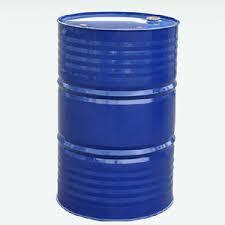
A: MCC powder is packed in 25 kg HDPE-lined bags or drums, ensuring product integrity during transit and storage. With correct storage, its shelf life can reach up to five years.

 Send Inquiry



 Send Inquiry


 Send Inquiry
 English
 Spanish
 French
 German
 Italian
 Chinese (Simplified)
 Japanese
 Korean
 Arabic
 Portuguese