About TITANIUM DI OXIDE
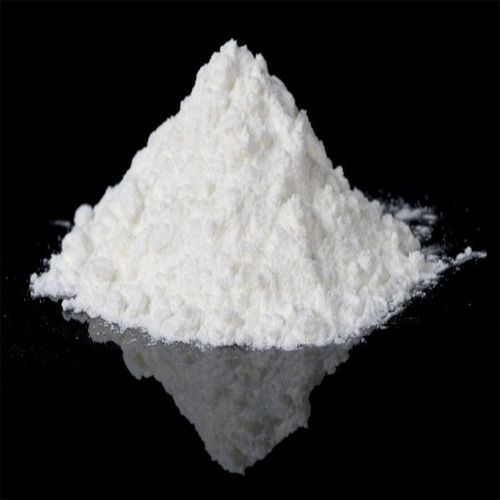
itanium dioxide, also known as titanium(IV) oxide or titania, is the naturally occurring oxide of titanium, chemical formula TiO. . When used as a pigment, it is called titanium white, Pigment White 6 (PW6), or CI 77891. Generally, it is sourced from ilmenite, rutile and anatase.
Outstanding Pigmentation and OpacityTitanium Dioxide offers exceptional whiteness (>98% on the Hunter scale) and high brightness (>96% by ISO), ensuring superior color strength and opacity in formulated products. Its tiny particles enhance distribution and coverage, making it an invaluable additive for industries requiring durable, high-performance finishes.
Versatile Industrial and Specialty ApplicationsThanks to its purity, controlled particle size, and customizable surface treatment, TiO2 finds applications in paints, plastics, paper, printing ink, cosmetics, textiles, rubber, and ceramics. Its insolubility in water and solubility in acids and alkalis make it compatible with a wide range of production processes.
Safe Handling and Long Shelf LifeWith negligible heavy metal content (<0.1%), Titanium Dioxide is non-toxic and safe to handle, making it suitable for use in sensitive applications including pharmaceuticals and food (specific grades). Its five-year shelf life and robust packaging ensure product integrity during transportation and storage.
FAQ's of TITANIUM DI OXIDE:
Q: How is Titanium Dioxide with 0.2-0.3 micron particle size used in paint and coatings?
A: This grade of Titanium Dioxide provides excellent dispersion, opacity, and brightness in paint formulations, enhancing covering power and maintaining whiteness over time. Fine particle size ensures uniform blending, making it ideal for high-quality paints, coatings, and inks.
Q: What benefits does alumina/silica surface treatment provide to Titanium Dioxide?
A: Alumina/silica treatment improves the dispersibility, weather resistance, and anti-yellowing properties of Titanium Dioxide. This modification enhances performance in demanding environments, making the pigment suitable for outdoor paints and plastics that require long-lasting whiteness.
Q: When should I choose anatase versus rutile types of Titanium Dioxide?
A: Anatase Titanium Dioxide is preferred for applications like paper, cosmetics, and certain plastics due to its softness and high brightness. Rutile, with higher refractive index and durability, is recommended for paints, outdoor plastics, and coatings requiring superior opacity and UV resistance.
Q: Where is Titanium Dioxide typically stored, and for how long can it be kept?
A: Titanium Dioxide should be stored in tightly sealed containers in a cool, dry place to prevent moisture absorption and contamination. If correctly stored, it maintains performance for up to 5 years, as indicated by its long shelf life.
Q: How is Titanium Dioxide supplied, and what packaging sizes are available?
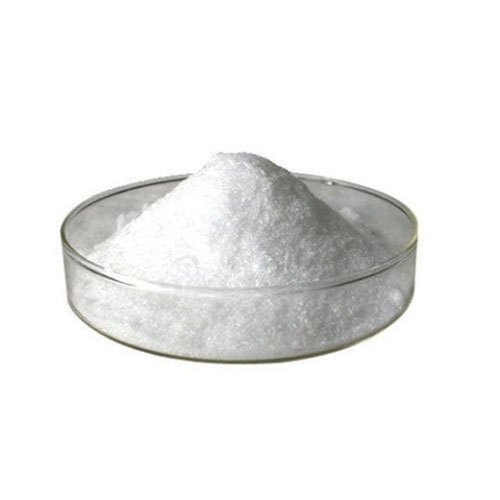
A: It is offered in powder form and packaged in 25 kg or 50 kg bags, as well as larger jumbo bags, making it suitable for both small-scale users and bulk industrial consumers. Packaging is designed to maintain purity and prevent contamination.
Q: What is the process for using Titanium Dioxide in manufacturing?
A: TiO2 is easily incorporated into various formulations by mixing or dispersing it with other components. For best results, it should be dispersed using suitable mixing equipment to avoid agglomeration, especially in water- or solvent-based systems depending on end-use.
Q: What are the main advantages of using this Titanium Dioxide as a pigment and opacifier?
A: Key advantages include high purity (>99%), outstanding brightness and whiteness, low heavy metals content, and adaptability with multiple surface treatments. These features provide excellent hiding power, color stability, and safety across numerous industries.
 Send Inquiry




 Send Inquiry


 Send Inquiry
 English
 Spanish
 French
 German
 Italian
 Chinese (Simplified)
 Japanese
 Korean
 Arabic
 Portuguese