About Methyl Poly Siloxane (Mps)
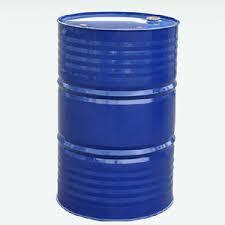
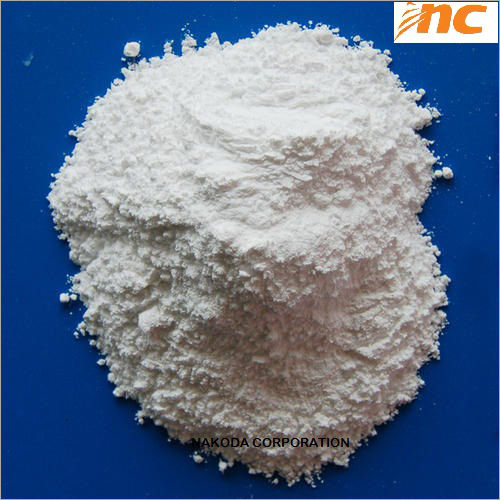
Methyl Poly Siloxane (Mps)
Polydimethylsiloxane (PDMS), also known as dimethylpolysiloxane or dimethicone, belongs to a group of polymeric organosilicon compounds that are commonly referred to as silicones.[1] PDMS is the most widely used silicon-based organic polymer due to its versatility and properties leading to many
Versatile Performance Across IndustriesMethyl Poly Siloxane (MPS) serves multiple roles such as a lubricant, antifoaming agent, release agent, and dielectric fluid. Its thermal stability and broad range of viscosities make it valuable in electrical, mechanical, and processing industries. Its non-toxic nature and compatibility with a variety of substrates allow seamless integration into manufacturing, hydraulic, and insulation processes.
Outstanding Physical and Chemical PropertiesWith a refractive index of 1.402-1.405 and a density of 0.965-0.975 g/cm3, MPS ensures optimum efficiency in critical applications. Its low surface tension improves its ability to spread and act as a defoamer, while high thermal and hydrolytic stability guarantee performance under demanding conditions. Being colorless, odorless, and resistant to water, it meets strict industrial standards.
Safe and Reliable for Long-Term UseMPS is classified as non-toxic under recommended usage and has a shelf life of three years when stored unopened in a cool, dry place. Its neutral pH and minimal impurities offer safe handling and storage. Manufactured in India to rigorous quality standards, it is widely used by suppliers and traders as a trusted industrial-grade silicone oil.
FAQ's of Methyl Poly Siloxane (Mps):
Q: What are the primary industrial uses of Methyl Poly Siloxane (MPS)?
A: MPS serves as an industrial lubricant, release agent, insulating oil, antifoaming agent, dielectric fluid, hydraulic fluid, and water repellent. Its thermal stability and compatibility make it suitable for a broad range of applications in manufacturing, electronics, and chemical processes.
Q: How should Methyl Poly Siloxane be stored to maintain its quality?
A: To preserve its shelf life and properties, Methyl Poly Siloxane should be stored in tightly sealed containers in a cool, dry location, away from direct sunlight. Unopened packaging ensures stability and full quality for up to three years.
Q: When is MPS most beneficial as an antifoaming agent?
A: MPS is highly effective as an antifoaming agent in processes where unwanted foam can hinder performance or product quality, such as in the chemical, food, and wastewater industries. Its low surface tension allows rapid foam suppression.
Q: What makes Methyl Poly Siloxane (MPS) compatible with most materials?
A: Its inert, non-reactive silicone structure grants MPS broad compatibility with metals, plastics, rubbers, and various surfaces. This allows for its use without risk of corrosive or adverse interactions with common industrial materials.
Q: Where is Methyl Poly Siloxane commonly produced and supplied?
A: MPS is produced and supplied in India, serving local and global markets via suppliers and traders. Its consistent quality and compliance with international standards make it a preferred option among industrial users.
Q: What is the recommended process for using MPS as a lubricant or dielectric fluid?
A: Depending on viscosity, MPS can be applied directly to machinery parts or electrical components requiring lubrication or insulation. Ensure surfaces are clean and dry before application for optimal results and longevity.
Q: What benefits does the thermal stability of MPS provide?
A: MPS maintains its structure and effectiveness even at continuous temperatures up to 250C, making it reliable for use in high-heat environments without risk of decomposition, thus ensuring long-term performance and safety in demanding settings.

 Send Inquiry



 Send Inquiry


 Send Inquiry
 English
 Spanish
 French
 German
 Italian
 Chinese (Simplified)
 Japanese
 Korean
 Arabic
 Portuguese