About Filter Cloth
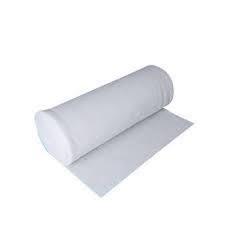
Our huge array of superior Filter Pad are manufactured, supplied, exported from the cotton & viscose media, non woven and woven filter media etc. We stand in the midst of predominant filter pads manufacturers, based in India. Our woven filter pads and non woven filter pads are available in various different sizes and dimensions and can be customized as per the demand of the client. These filter pads are extensively used in various pesticides, agro chemicals, pharmaceuticals, food & beverage and other industries
Customizable Filter Cloth for Industrial ApplicationsDesigned for a broad spectrum of industrial processes, our filter cloth is tailored to specific requirements. Choose from multiple thicknesses, weights, and fiber compositions such as polyester, polypropylene, nylon, or cotton. With options for plain, twill, or satin weave, and surface treatments like calendering, singeing, or heat-setting, these filter cloths offer optimal durability and filtration efficiency.
Exceptional Performance and DurabilityEngineered to withstand challenging conditions, our filter cloth boasts high tensile strength and a long service life. With maximum operating temperatures up to 150C (for polyester) and excellent resistance to chemicals and solvents, it remains stable and functional in demanding industrial processes, ensuring reliable and consistent filtration results.
Quality Certified and Safe for UseAdhering to industry standards such as IS 17149 and ISO 16890, our filter cloth is odorless, non-toxic, and safe for use in food, pharma, and other sensitive industries. Its neutral pH and high purity-typically 100% of the selected fiber-guarantee dependable and safe performance in all filtration applications.
FAQ's of Filter Cloth:
Q: How do I choose the right thickness and material for my filter cloth application?
A: Selecting the appropriate filter cloth depends on your specific filtration needs, such as particle size, operating temperature, and chemical compatibility. Thicker cloths (up to 2 mm) offer more robust mechanical strength, while the choice between polyester, polypropylene, nylon, or cotton should match your filtration media and operational conditions.
Q: What is the typical process for customizing filter cloth size and weave?
A: You can specify your desired size, weave pattern (plain, twill, satin), and material when ordering. Our team will guide you through material selection and customization based on your industry requirements, with widths up to 3.2 meters and a variety of surface treatments to enhance performance.
Q: Where can this filter cloth be used?
A: Our filter cloth is suitable for a wide range of industrial applications, including solid-liquid separation in food processing, air and dust filtration in chemical plants, mining, pharmaceuticals, and wastewater treatment facilities. It is ideal for both liquid and air filtration processes.
Q: When should filter cloth be replaced or maintained?
A: The lifespan of the filter cloth depends on operating conditions and application type. Regular inspections for clogging, tears, or reduced filtration efficiency are recommended. Replacement intervals can range from months to years, depending on process intensity and environmental factors.
Q: What benefits does this filter cloth offer compared to alternatives?
A: Our filter cloth offers high filtration efficiency (up to 99%), strong mechanical properties, good chemical resistance, and long-lasting durability. With customizable parameters and adherence to safety standards, it ensures reliable operation across various industrial uses.
Q: How is the filter cloth typically stored and handled?
A: The filter cloth should be stored in a hot case or dry, clean area to prevent contamination and maintain its performance properties. The fabric is supplied in rolls or rectangular sheets for easy handling during installation.
Q: Does the filter cloth comply with recognized industry standards?
A: Yes, our filter cloth complies with IS 17149, ISO 16890, or other industry requirements as specified. It is also classified as non-toxic, odorless, and safe, making it suitable for demanding and sensitive industrial applications.
 Send Inquiry




 Send Inquiry


 Send Inquiry
 English
 Spanish
 French
 German
 Italian
 Chinese (Simplified)
 Japanese
 Korean
 Arabic
 Portuguese