About ZINC OXIDE
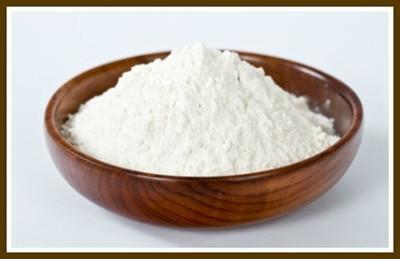
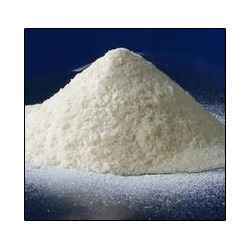
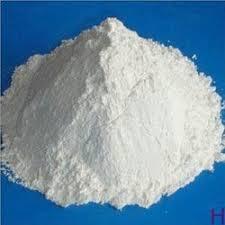
Zinc oxide is an inorganic compound with the formula ZnO. ZnO is a white powder that is insoluble in water, and it is widely used as an additive in numerous materials and products including rubbers, plastics, ceramics, glass, cement, lubricants, paints, ointments, adhesives, sealants, pigments, foods, batteries, ferrites, fire retardants, and first-aid tapes. Although it occurs naturally as the mineral zincite, most zinc oxide is produced synthetically
Wide-Ranging Industrial ApplicationsZinc Oxide's robust properties make it a preferred additive for multiple industries. From enhancing the durability of rubber compounds to contributing to the quality of ceramics, paints, and pharmaceuticals, ZnO delivers both performance and purity. Its role in cosmetics and animal feed is equally significant, ensuring safety and functional benefits thanks to its tightly controlled heavy metal content and non-toxic classification.
Quality and Safety AssuranceWith maximum permissible limits for lead, arsenic, cadmium, and mercury, as well as adherence to ISO and ASTM standards, our Zinc Oxide guarantees exceptional safety and reliability. Its packaging ensures stability, and recommended storage keeps the material fresh over its extended two-year shelf life, meeting both industrial and laboratory quality requirements.
FAQ's of ZINC OXIDE:
Q: How should Zinc Oxide be stored to maintain its quality?
A: Zinc Oxide should be stored in a cool, dry place and kept tightly sealed in its original packaging. This helps preserve its quality and stability throughout the two-year shelf life.
Q: What benefits does Zinc Oxide offer across different industries?
A: Zinc Oxide enhances the processing and performance of rubber products, improves whiteness and opacity in ceramics and paints, and serves as a functional ingredient in pharmaceuticals, cosmetics, and animal feed, benefiting from its non-toxic, high-purity profile.
Q: When is the best time to use Zinc Oxide in industrial processes?
A: Zinc Oxide should be incorporated during the mixing or compounding stage of manufacturing, depending on your product and process requirements, to achieve optimal dispersion and effectiveness.
Q: Where is this Zinc Oxide sourced and what forms of packaging are available?
A: This Zinc Oxide is supplied and traded from Indonesia and can be shipped in 25 kg or 50 kg HDPE bags-with or without inner liners-or in jumbo bags to suit bulk requirements.
Q: What process is used to ensure the purity and safe heavy metal content of this Zinc Oxide?
A: The manufacturing process follows ISO and ASTM standards, with rigorous quality controls in place. Each batch is tested to verify purity (minimum 99%) and confirm that lead, arsenic, cadmium, and mercury levels do not exceed set safety thresholds.
Q: How is Zinc Oxide typically used in laboratories and industry?
A: In laboratories, Zinc Oxide is used for research, synthesis, and quality control. Industrially, it is a crucial additive in vulcanization of rubber, pigment in paints, and as an active ingredient in pharmaceuticals and cosmetics.
Q: What advantages does the nano and micron grade variety offer for end applications?
A: Available in both micron and nano grades, Zinc Oxide provides tailored particle size for specific needs-nano grades offer enhanced reactivity and surface area, while micron grades are ideal for uniform dispersion and cost-effective bulk use.
 Send Inquiry



 Send Inquiry


 Send Inquiry
 English
 Spanish
 French
 German
 Italian
 Chinese (Simplified)
 Japanese
 Korean
 Arabic
 Portuguese