About C Etrazine
Cetirizine is an antihistamine used to relieve allergy symptoms such as watery eyes, runny nose, itching eyes/nose, sneezing, hives, and itching. It works by blocking a certain natural substance (histamine) that your body makes during an allergic reaction.
Effective Weed Control for AgricultureC Etrazine is trusted in the agricultural sector for managing a wide range of weed species. As a selective systemic herbicide, it targets unwanted plants without harming crops when applied according to guidelines. Its application increases crop yield and quality by reducing competition for nutrients, water, and sunlight.
Safe Storage and HandlingThis product remains stable when stored in a cool, dry location within tightly sealed containers. As it is toxic if ingested and hazardous to aquatic life, careful handling and adherence to safety standards are paramount. It is odorless and tasteless, which necessitates clear labeling to avoid accidental ingestion or exposure.
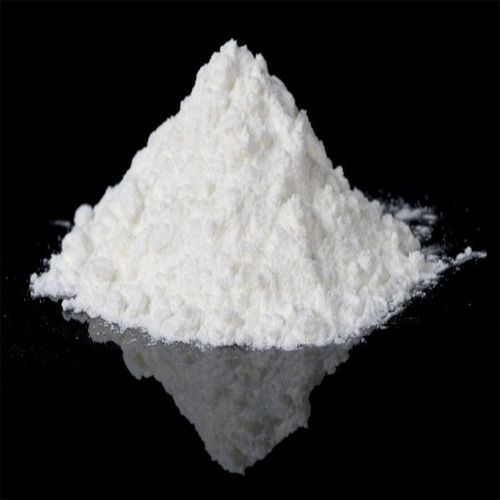
Technical Properties and Packaging OptionsC Etrazine is available in 25 kg fiber drums or bags, ensuring ease of transportation and storage. Its crystalline powder form, high purity, and thermal stability make it suitable for industrial-scale use. The product complies with industry standards and meets the requirements of agricultural chemical applications.
FAQ's of C Etrazine:
Q: How should C Etrazine be stored for maximum stability?
A: C Etrazine should be kept in a tightly closed container in a cool, dry place, away from moisture and sources of contamination. Proper storage ensures the product remains stable for up to two years from the manufacturing date.
Q: What is the recommended application process for C Etrazine as a herbicide?
A: C Etrazine is typically applied as a pre- or post-emergence weed killer in crop fields, using appropriate spraying equipment. The product should be dissolved in compatible organic solvents as it is insoluble in water, and applied according to agricultural guidelines for selective weed control.
Q: When does C Etrazine decompose, and does it pose any fire risk?
A: C Etrazine decomposes at temperatures above 250C and does not have a conventional boiling point. It is not flammable, making it safe from fire hazards under normal storage and handling conditions.
Q: Where is C Etrazine commonly used, and what are its main benefits?
A: C Etrazine is widely used in agricultural settings, particularly as a selective systemic herbicide for various crops. Its main benefit is effective control of broadleaf and grassy weeds, resulting in improved crop health and higher yields.
Q: What environmental precautions should be taken when using C Etrazine?
A: Because C Etrazine is persistent in the environment and may contaminate groundwater, it is essential to avoid excessive application or spills. Proper buffer zones and runoff management should be implemented to minimize environmental impact, especially near water bodies.
Q: Is C Etrazine toxic to humans or animals, and how can exposure be prevented?
A: C Etrazine is toxic if ingested and can harm aquatic life. To prevent exposure, use personal protective equipment (PPE) during handling and follow safety protocols for disposal and field application. Ensure containers are clearly labeled and stored securely.

 Send Inquiry




 Send Inquiry


 Send Inquiry
 English
 Spanish
 French
 German
 Italian
 Chinese (Simplified)
 Japanese
 Korean
 Arabic
 Portuguese