About Methylene Dry Chloride (M.D.C)
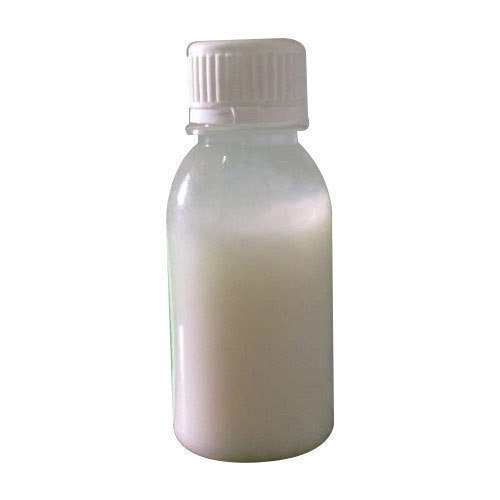
Methylene Dry Chloride (M.D.C)
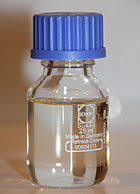
Methylene chloride, also known as dichloromethane and methylene dichloride, is a clear, colorless liquid with a slightly sweet scent that is primarily used as an industrial solvent and also as a potent paint stripper and paint thinner.
Specification
|
Purity %
|
99%
|
|
Packaging Details
|
250
|
|
Grade Standard
|
Industrial Grade
|
|
Usage/Application
|
Industrial
|
|
Physical State
|
Liquid
|
|
Country of Origin
|
Made in India
|
Powerful Industrial SolventMethylene Dry Chloride stands out as a highly effective solvent, suitable for various industrial applications, including paint removal, chemical extraction, and dewaxing. Its high purity ensures enhanced performance and reliable outcomes for demanding tasks. Commonly used in manufacturing and laboratory settings, it is backed by adherence to industrial chemical standards for consistent quality.
Safe Handling and StorageSafety is paramount when working with M.D.C. It is essential to store the liquid under hot case conditions in appropriate steel drums, away from incompatible materials such as aluminum, plastics, and rubbers susceptible to corrosion. When exposed to high temperatures or flames, it decomposes to produce hazardous gases-therefore, proper ventilation, suitable personal protective equipment, and rigorous storage protocols must be followed.
Versatile Packaging OptionsTo accommodate diverse industry needs, Methylene Dry Chloride is offered in standard 25 L and 210 L steel drums, as well as customized packaging based on specific client requirements. This flexibility ensures streamlined inventory management and supports both high-volume and specialized operations across various sectors.
FAQ's of Methylene Dry Chloride (M.D.C):
Q: How is Methylene Dry Chloride (M.D.C) typically used in industry and laboratories?
A: M.D.C is primarily employed as a solvent for manufacturing processes, paint removal, extraction, and dewaxing applications. Its miscibility with most organic solvents and efficacy at dissolving a wide range of substances make it valuable in both industrial and laboratory environments.
Q: What precautions should be taken when handling and storing Methylene Dry Chloride?
A: Proper storage in steel drums and in hot case environments is essential. Avoid contact with aluminum, plastics, or rubbers that may corrode. Ensure good ventilation and use protective gear, as toxic gases like hydrogen chloride and phosgene may form during combustion or thermal decomposition.
Q: When does Methylene Dry Chloride pose safety risks, and how can they be mitigated?
A: While M.D.C is non-flammable (flash point: none), it can generate poisonous gases such as hydrogen chloride and phosgene if exposed to fire or high heat. Safety measures include keeping it away from ignition sources, using appropriate storage containers, and avoiding incompatible materials.
Q: Where should Methylene Dry Chloride be stored for optimal stability?
A: Store M.D.C in cool, dry, well-ventilated areas designated as hot case storage, in steel drums or equivalent chemical-resistant containers. This will maintain its stability and prevent hazardous situations by minimizing exposure to heat and incompatible materials.
Q: What are the benefits of using Methylene Dry Chloride as a solvent?
A: M.D.C offers high purity (99% min), efficient solubility with organics, and versatility across multiple industrial and laboratory processes. Its volatility and low boiling point allow quick evaporation, aiding in rapid processing and cleaning applications.
Q: How does Methylene Dry Chloride's compatibility affect material choices in equipment?
A: Due to its corrosive effects on certain plastics, rubbers, and aluminum, only compatible materials such as steel should be used for storage and handling. This mitigates corrosion and ensures safety and product integrity.

 Send Inquiry



 Send Inquiry


 Send Inquiry
 English
 Spanish
 French
 German
 Italian
 Chinese (Simplified)
 Japanese
 Korean
 Arabic
 Portuguese