About Boric Acid
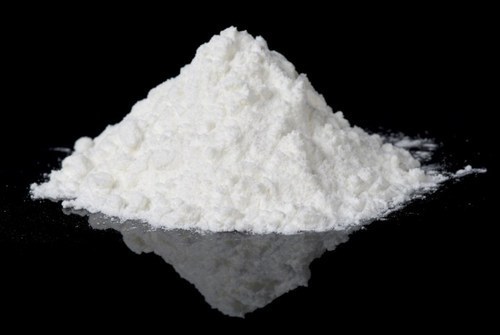
Boric acid, often known as hydrogen borate, boracic acid, orthoboric acid or acid boricum, is a weak boron acid sometimes used as an antiseptic, insecticide, flame retardant, or neutron absorber, and as a precursor to other chemical compounds.
Specification
|
Packaging Size
|
5,25 Kg
|
|
Physical State
|
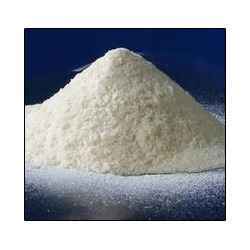
Powder
|
|
Color
|
White
|
|
Packaging Type
|
PP Bag
|
|
PH Value
|
7-10.5
|
|
CAS Number
|
10043-35-3
|
|
Chemical Formula
|
BH3O3
|
|
Molar Mass
|
61.83 g/mol
|
|
Melting Point
|
170.9 Degree C
|
|
Boiling Point
|
300 Deg C
|
Versatile Applications Across IndustriesBoric acid serves multiple purposes due to its chemical stability and purity. In the industrial sector, it is utilized for glass manufacturing, ceramics, and flame retardants. Laboratories rely on its buffering effect, while agriculture employs it as a micronutrient for plants. In homes, boric acid functions as an antiseptic and cleaner. Its adaptability across such diverse fields underlines its importance as a reliable inorganic acid.
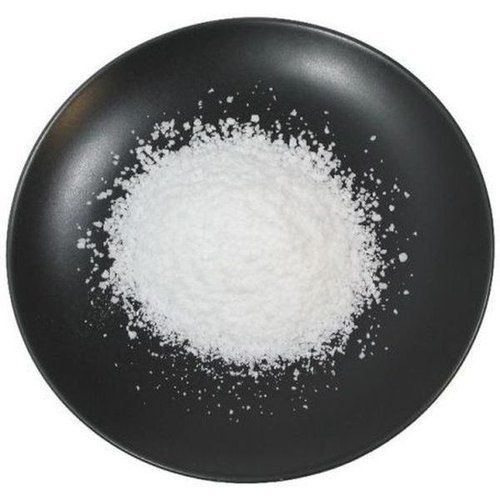
Key Physical and Chemical AttributesWith its white, crystalline powdered form, boric acid features high solubility in water and a pKa of 9.24. The substance passes through a 60 mesh sieve, ensuring a fine and consistent texture. It has a melting point of 170.9C, and remains stable under ordinary storage conditions. Furthermore, boric acid is odourless, has a slight bitter taste, and a density of 1.435 g/cm3, making it suitable for precise industrial and laboratory use.
Safe Storage and Reliable Shelf LifeBoric acid maintains a shelf life of up to 3 years when kept in a cool, dry, and well-ventilated area, away from incompatible materials. The product is shipped in 25 kg or 50 kg bags or custom packing as per IS 10115 standards, ensuring safety and ease of handling. Being non-flammable and non-toxic in specified concentrations further makes it a dependable material for long-term storage and application.
FAQ's of Boric Acid:
Q: How should boric acid be stored to ensure maximum shelf life?
A: Boric acid should be stored in a cool, dry, and well-ventilated place, away from incompatible substances. Keeping it in unopened, tightly sealed packaging provides a shelf life of up to 3 years, preserving its purity and efficacy.
Q: What are the main uses of boric acid across different sectors?
A: Boric acid is widely used in industrial processes for manufacturing glass and ceramics, as a flame retardant, in laboratory applications as a buffer, in agriculture as a plant micronutrient, and in household cleaning and antiseptic products due to its safe and versatile properties.
Q: When is boric acid considered non-toxic or potentially hazardous?
A: Boric acid is regarded as non-toxic when used within specified concentrations and guidelines for industrial or household applications. However, ingestion of large quantities can be toxic; hence, proper handling and adherence to usage recommendations are essential.
Q: Where can boric acid be effectively applied in industrial processes?
A: Boric acid finds effective use in the manufacture of glass, ceramics, fiberglass, and flame retardant chemicals. Its fine powder form and high purity make it suitable for various industrial formulations demanding consistent quality.
Q: What is the process for ensuring boric acid's quality and particle size?
A: Quality assurance involves rigorous testing for parameters such as purity (minimum 99%), moisture content (0.5%), water insoluble matter (0.02%), and toxic elements like lead and arsenic. The powder is processed to pass through a 60 mesh sieve, guaranteeing a fine, even particle size.
Q: How does solubility benefit boric acid's functionality?
A: Boric acid's high solubility in water, alcohol, glycerol, and ether allows for easy formulation in various industrial, laboratory, and household products, promoting rapid dissolution, homogeneous mixing, and efficient chemical reactions.
Q: What are the advantages of using food-grade boric acid?
A: Food-grade boric acid offers enhanced safety and purity, making it suitable for sensitive uses such as laboratory procedures and food-related industrial applications, while maintaining compliance with global standards like IS 10115.
 Send Inquiry



 Send Inquiry


 Send Inquiry
 English
 Spanish
 French
 German
 Italian
 Chinese (Simplified)
 Japanese
 Korean
 Arabic
 Portuguese